DIY Golf Cart Repair: 8 Essential Guides for Every Problem
This page is the repair hub for GolfCartTips.com. Every DIY golf cart repair article on the site is listed here, organized by repair category so you can find what you need without hunting through the archive. If your cart is not moving, start with the electrical and solenoid sections. If it is moving but slowly or erratically, start with the motor and battery sections. If you have a vintage cart with a wiring mystery, the platform-specific wiring guides at the bottom of this page are where most owners find their answer.
Last verified: All linked articles confirmed live | May 2026 | Covers EZGO, Club Car, Yamaha, Harley Davidson, and Cushman platforms
Key Takeaways
- The solenoid is the first thing to test on any electric cart that does not move when the key is turned. It is the most commonly replaced electrical component on electric golf carts and the bypass test takes under five minutes with a single jumper wire. Test it before assuming the motor or controller has failed.
- Most DIY golf cart repair mistakes happen when owners replace parts without testing first. A cart that clicks but does not move needs a solenoid test. A cart that moves slowly needs a battery load test. A cart that runs rough on gas needs a spark plug and carburettor check. Systematic diagnosis before parts replacement saves money and time on every repair.
- Wiring diagrams are not interchangeable between platforms or years. A Club Car DS diagram from 1985 does not apply to a 1995 DS. An EZGO TXT diagram does not apply to an RXV. Always confirm the exact model and year before using any wiring diagram as a reference for troubleshooting.
DIY Golf Cart Repair: Where to Start
Golf cart problems fall into four broad categories: the cart does not move at all, the cart moves but with reduced power or speed, the cart has an intermittent fault that comes and goes, or the cart has a specific system problem such as charging, braking, or steering. Knowing which category your problem falls into narrows the diagnosis significantly before you open the first article.
For electric carts that do not move: test the solenoid first, then the battery pack voltage under load, then the controller. For gas carts that do not start: check the spark plug, fuel delivery, and ignition system in that order. For carts with reduced power: test battery capacity with a load tester on electric carts, or check the fuel system and air filter on gas carts. For charging problems: test the charger output before assuming the batteries are failed. A faulty charger will kill a new battery pack just as surely as a bad one will.
The guides below cover the most common DIY golf cart repair scenarios in depth. Each article includes the tools needed, step-by-step procedures, and platform-specific notes where the procedure differs between EZGO, Club Car, and Yamaha.

DIY Golf Cart Repair: Electrical and Solenoid Problems
Electrical faults account for the majority of golf cart breakdowns. Most are straightforward to diagnose with a multimeter and a basic understanding of how the circuit works. Start with the solenoid, work outward to the controller and motor, and check connections and cable condition at every stage.
Golf Cart Solenoid: How to Test and Fix It
The solenoid is an electromagnetic switch that connects the battery pack to the motor circuit when the key is turned. When it fails, the cart either clicks without moving or does nothing at all. This guide explains how the solenoid works, how to bypass it with a jumper wire to confirm it has failed, and how to replace it on EZGO, Club Car, and Yamaha platforms. If your cart clicks but does not move, read this first.
Golf Cart Won’t Start: 8 Common Fixes
A cart that won’t start can have eight different causes depending on whether it is electric or gas, whether it clicks or is completely silent, and whether the battery pack is charged. This guide works through the most common causes in diagnostic order, from a discharged pack and a failed solenoid on electric carts to spark plug and fuel delivery issues on gas carts. Work through it in sequence rather than jumping to the most expensive fix first.
Troubleshooting Club Car Golf Cart Wiring Issues
Club Car golf carts from the DS era through the Precedent use different wiring configurations that can be confusing without a clear framework for diagnosis. This guide works through the most common Club Car wiring faults, including controller input and output voltage checks, speed sensor issues, and switch testing. It pairs well with the Club Car wiring diagrams article below.
How to Reset a Golf Cart Electric Motor: 4 Steps
Some electric golf cart motors have a thermal overload switch that trips when the motor overheats, cutting power and making the cart behave as if the motor has failed. This guide covers the four-step reset procedure and explains how to confirm whether the motor has tripped its thermal protection versus actually failing. Worth checking before ordering a replacement motor.
DIY Golf Cart Repair: Battery and Charging Problems
Battery and charging faults are the most common reason electric golf carts lose performance or stop working altogether. The key diagnostic rule is to test the charger before assuming the batteries are the problem, and to test batteries under load rather than just checking resting voltage.
Golf Cart Won’t Charge: Battery Charger Troubleshooting
A golf cart that won’t charge could have a failed charger, a battery pack too discharged to trigger the charger’s auto-start circuit, a faulty OBC (onboard computer) on newer Club Car and Yamaha models, or a problem with the charge port or receptacle. This guide works through each cause in sequence and explains how to test the charger output with a multimeter to confirm whether the charger or the batteries are at fault.
Testing Golf Cart Batteries: Step-by-Step Accurate Results
A resting voltage check tells you very little about a battery’s actual condition. This guide covers hydrometer testing for flooded lead-acid cells, load testing to check capacity under real discharge conditions, and how to identify which battery in a series string is dragging the pack down. If your cart runs well for the first few holes and then slows dramatically, a failing battery in the pack is the most likely cause and this guide shows you how to find it.
DIY Golf Cart Repair: Motor Problems
Golf cart motor failures are often misdiagnosed because the symptoms (reduced speed, no movement, burning smell) overlap with solenoid and battery faults. Always eliminate the solenoid and battery as causes before testing the motor directly.
5 Signs Your Golf Cart Motor Needs Attention
Five specific symptoms indicate motor problems rather than battery or solenoid faults: burning smell from the motor compartment, excessive heat after short use, sparking visible at the brush contact area, complete loss of power with full battery voltage present, and unusual grinding or scraping noise under load. This guide explains what each symptom means, which components to inspect first, and when a motor actually needs replacement versus cleaning or brush replacement.
Golf Cart Engines: Types, Maintenance and Upgrades
Covers both gas and electric drivetrains, explaining the differences between series-wound DC motors, AC induction motors, and gas engine configurations across major platforms. Useful for understanding what type of motor or engine your specific cart uses before starting any repair or upgrade work, since the procedures differ significantly between motor types.
DIY Golf Cart Repair: Wiring Diagrams by Platform
Wiring diagrams are the foundation of any electrical diagnosis on a golf cart. Using the wrong diagram for your platform and year is a common source of confusion that sends owners down the wrong diagnostic path. Confirm your exact model and year before using any diagram. The articles below cover the most commonly searched vintage and classic platforms.
Club Car Wiring Diagrams 1981 to 2002
Redrawn wiring diagrams for Club Car DS models from 1981 through 2002, covering both gas and electric variants. The diagrams have been redrawn for clarity so you can trace circuits without deciphering faded original prints. Each diagram is labeled with component names and wire colors. Covers the most common Club Car repair scenarios including solenoid wiring, controller connections, and ignition system on gas models.
EZGO Model 400 Wiring and Troubleshooting
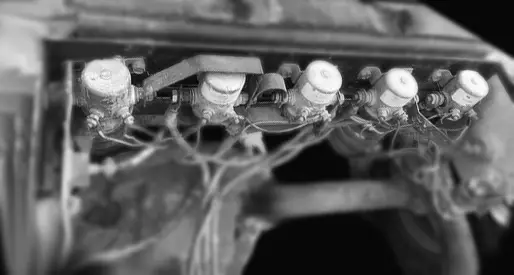
The EZGO Model 400 came in several configurations that use different numbers of solenoids and different speed control methods. A 5-speed model uses 7 solenoids with a two-speed motor. A 3-speed uses 6 solenoids. A 4-speed uses a single solenoid. This article covers the wiring for each configuration and explains how the solenoid sequencing controls speed, which is essential knowledge for diagnosing faults on these older carts where replacement parts can be difficult to source.
Yamaha G1 Solenoid Wiring Guide 1979 to 1989
The Yamaha G1 is one of the most commonly encountered vintage electric carts and one of the most frequently misdiagnosed. This guide covers the solenoid relay wiring for G1E models from 1979 through 1989, including how to read the wiring diagrams, what each component does, and how to test the solenoid relay and speed controller. Includes the tools needed and step-by-step testing procedure.
Harley Davidson Golf Cart 1963 to 1982 Model D, DC, and DF Wiring
Wiring details for Harley Davidson golf carts across the Model D, DC, and DF variants from 1963 through 1982. These carts use a 12-volt electrical system with a combination starter motor and generator unit built into the engine crankcase. The ignition and charging system wiring differs significantly from modern golf carts. This article covers the ignition spark circuit, battery system, and troubleshooting approach for the most common faults on these vintage machines.
Removing the Front Wheel: Harley Davidson 3-Wheel Golf Cart
Specific procedure for removing the front wheel on Harley Davidson 3-wheel golf carts from 1963 through 1969. These carts use tiller steering rather than a steering wheel, and the front wheel removal procedure differs from later models. Covers the tools needed, step sequence, and what to inspect on the steering pivot assembly while the wheel is off.
DIY Golf Cart Repair: Finding a Shop When the Job Is Too Big
Not every golf cart repair is a DIY job. Controller replacements on newer AC induction motor systems, hydraulic brake conversions, and significant body or frame damage are jobs that benefit from a shop with the right tooling and diagnostic equipment. If you need a local golf cart repair shop, the golf cart repair shop near me page has an interactive map of listed dealers and repair shops across the country. You can also contact the manufacturer directly , EZGO, Club Car, and Yamaha Golf Car all have dealer locators on their official sites that list authorized service centers.
When you do take a cart to a shop, knowing what the problem is before you walk in saves money. A shop that knows you have already confirmed the solenoid is bypassing correctly will not charge you to diagnose that. Do the basic tests yourself using the guides above and bring your findings with you.
Frequently Asked Questions About DIY Golf Cart Repair
What is the most common DIY golf cart repair?
Solenoid replacement is the single most common DIY golf cart repair on electric carts. The solenoid is a high-cycle component that wears out over time and typically costs $20 to $60 to replace. It is the first component to test when an electric cart clicks but does not move. Battery watering and terminal cleaning are the most common preventive maintenance tasks. On gas carts, spark plug replacement and carburettor cleaning are the most frequently performed DIY repairs.
Can I do golf cart electrical repairs myself?
Most golf cart electrical repairs are within the reach of a careful DIY owner. Golf cart systems run at 36V or 48V DC, which is significantly lower voltage than household current and not lethal under normal contact. The main risks are arc damage from short circuits and battery acid exposure. Always disconnect the main negative cable before working on the electrical system, wear safety glasses when working near batteries, and use insulated tools. Solenoid replacement, cable replacement, switch testing, and charger testing are all reasonable DIY jobs. Controller replacement on newer AC systems and motor rewinding are best left to a shop.
How do I know if my golf cart solenoid is bad?
The two most common solenoid failure symptoms are a click with no movement and complete silence when the key is turned. The bypass test is definitive: with the cart in neutral and the key on, bridge the two large terminals on the solenoid with a jumper wire. If the cart moves, the solenoid has failed. If the cart still does not move, the fault is downstream in the motor or controller. See the solenoid guide above for the full test procedure.
What tools do I need for basic golf cart repair?
A digital multimeter is the most important diagnostic tool for any golf cart electrical repair. Beyond that, a set of metric and standard sockets, combination wrenches, screwdrivers, a wire brush, battery terminal cleaner, and a hydrometer for flooded lead-acid batteries cover the majority of DIY golf cart repair jobs. For solenoid testing, a short length of heavy gauge wire for jumping the terminals is all you need. A load tester is worth adding if you are diagnosing battery issues regularly.
Are golf cart wiring diagrams the same across all brands?
No. Wiring diagrams are specific to the platform, model, and year. A Club Car DS diagram does not apply to an EZGO TXT. A Yamaha G1 diagram does not apply to a Yamaha Drive. Within the same brand, diagrams change with significant model revisions. Always confirm the exact model and year before using any diagram as a troubleshooting reference. Using the wrong diagram is one of the most common causes of extended troubleshooting sessions that go nowhere.
About the Author
Chuck Wilson spent decades as a golf cart and small vehicle mechanic before retiring. His shop work covered Club Car, EZGO, and Yamaha platforms across gas and electric drivetrains, and extended into vintage platforms including Harley Davidson and Cushman models. He runs GolfCartTips.com in retirement, writing about repairs and maintenance based on jobs he has actually done, not manufacturer talking points. If a procedure is on this site, it has been performed on a real cart.
All article links verified live May 2026. Platform coverage confirmed against EZGO, Club Car DS, Club Car Precedent, Yamaha Drive, Harley Davidson Model D and DC, and Cushman Truckster service documentation.