Predator 420cc Golf Cart Engine Swap: 7 Critical Steps
The Predator 420cc golf cart swap is one of the most common engine conversions in the hobby because the math works: a 420cc OHV 13 HP engine from Harbor Freight costs $330 to $380 and delivers roughly twice the power of the stock Kawasaki FE290 or Briggs 350 it replaces. The swap is bolt-on on most EZGO, Club Car, and Yamaha platforms when you pair the engine with a platform-specific conversion kit. It is not a drop-in without that kit. Shaft diameter, mounting pattern, clutch size, and exhaust position all differ by cart model and year. Do the platform homework before you order anything.
Last verified: 1994 EZGO TXT gas, 1996 Club Car DS gas, 1991 Yamaha G9 | June 2026 | Predator 420cc SKU 60340, VegasCarts platform kits, CVTech Series 06 clutch
Key Takeaways
- The Predator 420cc (SKU 60340 or 69736) fits most gas-powered golf carts but requires a platform-specific mount kit. Buying the engine before confirming kit availability for your exact cart make, model, and year is the most common and expensive mistake on this swap.
- The stock clutch on your cart will not work correctly with the Predator. The Predator’s 1-inch shaft and higher torque output require a replacement clutch, typically a CVTech Series 06 or equivalent. Skipping the clutch upgrade causes belt slippage, premature belt wear, and reduced performance from the first day of use.
- After the swap, the governor must be set to 3,600 RPM max and the idle adjusted to 1,400 to 1,600 RPM. A new engine run too rich or too fast before break-in will have shorter cylinder life and higher oil consumption. Run the first 20 minutes under light load before pushing it hard. Budget a full day for the swap if it is your first time: 3 to 5 hours for the install, plus time for the break-in run and first idle adjustment.
Is the Predator 420cc the Right Engine for Your Cart?
The Predator 420cc suits gas-powered golf carts with horizontal-shaft engines that run a belt-drive CVT system. That covers the vast majority of EZGO TXT and Marathon models, Club Car DS models, and Yamaha G-series carts. It does not suit carts with vertical-shaft engines or chain-drive transmissions without significant additional fabrication. It also does not suit 2-stroke gas carts: the Predator is a 4-stroke engine and the throttle, exhaust, and fuel systems are not compatible without full system replacement.
The stock engine in most of these carts is a Kawasaki FE290 (9 HP), Kawasaki FE350 (11 HP), or Briggs and Stratton 350 (10 HP). The Predator 420cc puts out 13 HP at 3,600 RPM and 19.8 ft-lbs of torque at 2,500 RPM. In practice, owners report 5 to 10 mph of top-speed gain depending on clutch setup, rear gear ratio, and terrain. The torque improvement is more noticeable than the speed gain, especially on hills and in rough terrain applications.

What You Need Before You Start
The Predator 420cc engine (Harbor Freight SKU 60340 for the 49-state version, 72885 for California) is sold as an engine only. You need to source the following separately before the swap makes sense:
Platform-Specific Conversion Kit
The kit is what makes the swap bolt-on rather than a fabrication project. A full kit for your specific platform includes an adjustable engine mount, a replacement drive clutch (typically CVTech Series 06), an extended double-cogged drive belt, a muffler relocation bracket with header and flex tube, a slim air filter box, a throttle bracket, fuel line, and hardware. Without the kit you are sourcing and fabricating each of those components individually, and the fitment risk is high.
VegasCarts makes platform-specific kits for most common carts. Confirm your exact year and model before ordering. EZGO TXT and Marathon use different kits, and Club Car DS years 1985 to 1996 use a different mount than 1997 and later DS models. Yamaha G2 and G9 use the same kit. Drive-series Yamahas use a different kit. Order the wrong one and the mount will not align with the frame rails.
TOTAL SWAP COST ESTIMATE (with VegasCarts kit)
| Predator 420cc engine (SKU 60340) | $330–$380 |
| Platform conversion kit (VegasCarts) | $300–$450 |
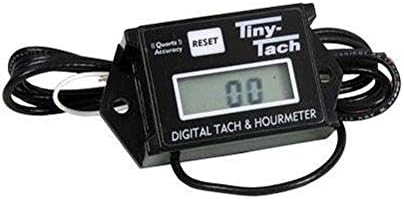
| Tachometer for governor setup | $25–$40 |
| Miscellaneous hardware and fuel line | $20–$40 |
| Total | $675–$910 |
The clutch and drive belt are included in most VegasCarts kits. If ordering engine and kit separately, verify clutch is included before checkout. Labor is your own time: 3 to 5 hours for a first-time installer with a full kit.
Tools Required
- 3/8-inch ratchet with metric and SAE socket sets (10mm, 12mm, 14mm, 17mm are the most used)
- Torque wrench (engine mount bolts torque to spec, not to feel)
- Combination wrenches (same sizes as above)
- Flathead and Phillips screwdrivers
- Needle-nose pliers and standard pliers
- Wire stripper and crimp connectors if rewiring the start circuit
- Fuel line clamps and fuel-safe thread tape
- Engine hoist or two helpers (the Predator weighs 76 lbs; the old engine is similar)
Platform Compatibility: What Works and What Doesn’t
Compatibility is the part of this swap that trips up more owners than the installation itself. Here is the breakdown by platform:
| Cart Platform | Compatible Years | Stock Engine Replaced | Kit Notes |
|---|---|---|---|
| EZGO TXT Gas | 1994–2009 | Kawasaki FE290 / FE350 | TXT-specific kit; eliminates pedal start |
| EZGO Marathon Gas | 1991–1994 | Kawasaki FE290 | Marathon-specific kit; different frame rails than TXT |
| Club Car DS Gas | 1985–1996 | Kawasaki FE290 / FE350 | 85-96 DS kit; 1997+ DS uses different mount position |
| Club Car DS Gas | 1997–2006 | Kawasaki FE350 / FE400 | Separate kit from 85-96. Do not interchange |
| Yamaha G2 / G9 | 1985–1996 | Yamaha G9E / Kawasaki | G2/G9 kit; not for lifted carts |
| Yamaha Drive / Drive2 | 2007–present | Yamaha EX21 / GAS | Drive-specific kit; confirm year before ordering |
Two-stroke EZGO carts (pre-1991 Marathon models with the EZGO 2-cycle engine) are not compatible without a complete fuel and ignition system redesign. The Predator 420cc is a 4-stroke engine and the throttle cable routing, carb mounting, and exhaust stub positions do not carry over. If you have a 2-stroke cart, this swap is not appropriate without fabricating custom adapter plates and rewiring the entire ignition circuit from scratch.
One Yamaha-specific note worth flagging before you start: on G2 and G9 carts, the stock fuel system uses a vacuum-operated fuel pump driven by crankcase pulses from the original engine. The Predator 420cc does not produce the same vacuum signal from the same port location, and the stator charging output on some Predator units is too low to reliably run an electric fuel pump replacement. If your Yamaha G2 or G9 has a vacuum fuel pump, confirm whether your conversion kit includes a mechanical fuel pump adapter for the Predator or plan to add an inline electric pump with its own power circuit.
Running the engine without adequate fuel delivery causes lean-condition damage that shows up after the first few hours of use, not immediately.
Removing the Stock Engine
Label everything before you disconnect anything. On older EZGO and Club Car carts, the wiring harness connectors are not color-coded in any meaningful way between the stock engine and a replacement unit. A piece of masking tape and a marker on each connector takes three minutes and saves an hour of troubleshooting after the new engine is in.
Work in this order:
- Fuel: Clamp the fuel line at the tank before disconnecting at the carb. Have a rag under the carb fitting. Residual fuel will drain. Dispose of it properly, not on the ground.
- Electrical: Disconnect the kill wire (usually a single spade connector at the ignition coil), the starter solenoid lead, and the charging coil connector if your cart uses the stock engine’s charging coil to maintain the 12V accessory battery. Note: some VegasCarts kits include a replacement charging coil for the Predator. If yours does not, retain the stock coil mount plate and verify whether the Predator’s coil output voltage matches your cart’s charging requirement (typically 12V DC at 3–5 amps for accessory loads).
- Exhaust: Remove the exhaust pipe or muffler at the header studs. On most EZGO and Club Car carts, two nuts on 8mm studs. Keep the studs. The replacement exhaust header in the kit threads onto the same stud pattern on some platforms. If the studs are corroded into the block, apply penetrating oil and wait 30 minutes before attempting removal.
- Drive belt: Release belt tension by sliding the engine rearward on its mount slots (if present) or removing the driven clutch from the transaxle input shaft. Remove the belt and set it aside. Do not reuse a cracked or glazed belt on the new engine. The Predator’s higher torque will finish it quickly.
- Mount bolts: Four bolts on most platforms, two per side. Support the engine before removing the last bolt. The Kawasaki FE290 weighs about 66 lbs; lower it onto a pad or engine stand, not onto the frame.
Installing the Predator 420cc
Before lifting the Predator into position, install the drive clutch on the engine shaft. The CVTech Series 06 (included in most kits) fits the 1-inch shaft with the 1/4-inch keyway. Torque the clutch retaining bolt to the clutch manufacturer’s spec, typically 50 to 60 ft-lbs. Do this on the bench, not with the engine in the cart, where you cannot hold the shaft from spinning.
Set the engine on the mount plate and hand-thread the four mount bolts before torquing any of them. Check that the drive clutch aligns laterally with the driven clutch on the transaxle. Misalignment of more than 1/8 inch causes rapid belt wear and vibration. Most VegasCarts mounts have slotted adjustment holes: use them to center the clutches before final torque. Torque mount bolts to 25 ft-lbs unless your kit specifies otherwise.
Route the throttle cable through the throttle bracket included in the kit. The Predator’s throttle arm takes a standard barrel-end cable. Connect the kill wire to the ignition coil’s kill terminal. Grounding this wire stops the engine, the same as the stock setup. Route the fuel line from the tank to the carb inlet with a proper clamp at both ends. No thread tape on the barb fittings. Those seal with the hose clamp, not with tape.
Install the muffler header and flex tube from the kit before lowering the body or seat deck. Getting to the exhaust header after the body is back on is a frustrating job on most cart platforms. Torque the header nuts to 15 ft-lbs. The flex section allows for engine movement and thermal expansion. Do not rigid-mount both ends of the flex tube. Leave one end with a slip joint.
Governor and Idle Adjustment
The Predator ships with the governor set for general-purpose use, not golf cart use. On most kits, the governor is connected via a rod and spring to the throttle arm. Before first start, verify the governor spring and rod are properly connected as shown in the kit instructions. A disconnected or incorrectly routed governor spring causes the engine to rev to maximum RPM immediately on start, which damages the clutch and the engine.
After the first start, set idle speed at 1,400 to 1,600 RPM with a tachometer, not by ear. The idle screw is on the carburetor body. Too low and the engine stalls on light throttle input from a stop. Too high and the drive clutch engages at idle, causing the cart to creep forward with no throttle input. Max governed RPM should be 3,600 RPM. Do not remove the governor or adjust it above this figure. The Predator’s connecting rod, crankshaft, and valve train are spec’d for 3,600 RPM. Running it above that causes premature wear and warranty void (not that the warranty applies to a golf cart conversion, but the engineering limits are real.
Break-In Procedure
The Predator 420cc uses a cast iron cylinder bore. Cast iron breaks in through controlled wear between the piston rings and cylinder wall during the first few hours of operation. Run the first tank of fuel under light to moderate load: flat terrain, no full-throttle bursts, no sustained high-speed runs. Vary the throttle position during the break-in period rather than holding a steady RPM. Varied load seats the rings more evenly than constant speed operation.
Change the oil after the first 5 hours of operation. Metal particles from the ring seating process accumulate in the oil during break-in. Running that contaminated oil past the first change increases wear on bearings and cylinder walls. Use SAE 30 non-detergent for break-in on most installations in temperate climates, or the weight specified in the Predator owner’s manual for your operating temperature range. After the first oil change, switch to 10W-30 or 10W-40 for regular operation.
Common Mistakes on the Predator 420cc Golf Cart Swap
These are the problems I have seen come through the shop after a first attempt at this swap.
- Wrong kit for the year: Club Car DS 1985–1996 and 1997–2006 use different kits. EZGO TXT and Marathon use different kits. Yamaha G2/G9 and Drive use different kits. The mount bolt pattern and engine position relative to the transaxle input shaft differ. Ordering the wrong kit wastes two to three weeks of shipping time and a return process.
- Reusing the stock drive clutch: The OEM clutch is matched to the stock engine’s torque output and shaft specification. The Predator’s higher torque and slightly different engagement characteristics cause belt slippage and clutch wear when run with the stock unit. Use the clutch included in the conversion kit.
- Not checking clutch alignment: A misaligned clutch stack (drive clutch on the engine shaft, driven clutch on the transaxle) causes the belt to track at an angle. The belt heats up, glazes, and begins slipping within a few hours. The fix is to loosen the mount bolts and shift the engine laterally until the clutch faces are co-planar. Do this with a straightedge across the face of both clutches before final torque.
- Skipping the charging coil check: If your cart uses the stock engine’s charging coil to maintain a 12V battery for lights, horn, or accessories, verify the Predator’s coil output voltage matches before assuming it works. The Predator charging coil outputs AC, which needs rectification to charge a 12V DC battery. Some kits include a rectifier; some do not. An uncharged accessory battery drains within a day of use.
- No break-in oil change: Skipping the 5-hour oil change is the single fastest way to shorten the life of a new cast iron bore. The break-in particulates in that first oil charge accelerate ring and bearing wear if they stay in the crankcase.
FAQ
Will the Predator 420cc fit my EZGO TXT?
Yes, with the correct conversion kit. The VegasCarts EZGO TXT kit covers 1994 to 2009 TXT models. Confirm your cart has a gas engine before ordering. Electric TXT models have a completely different drivetrain and cannot accept this swap. The kit eliminates the pedal-start system and converts to key start. No welding or fabrication is required with the VegasCarts kit.
How much faster will my cart go after the Predator 420cc swap?
Most owners see 5 to 10 mph of top-speed gain on flat terrain compared to a stock Kawasaki FE290-powered cart. The torque improvement is more consistent and more useful in daily cart use than the top-speed gain. Hills and rough terrain are where the 420cc makes the biggest difference. Actual top speed depends on clutch setup, tire diameter, and rear axle gear ratio. Installing a higher-ratio secondary clutch spring and adjusting the clutch engagement RPM can push top speed further without touching the governor.
Do I need to change the exhaust when installing the Predator 420cc?
Yes. The Predator’s exhaust port is in a different position than the Kawasaki FE290 or FE350 it replaces. The header and muffler position relative to the frame rails does not match the stock routing. All VegasCarts conversion kits include a muffler relocation bracket, a replacement header, and a flex tube. Install these as part of the kit. Do not attempt to adapt the stock cart exhaust to the Predator port. Exhaust leaks at an adapter joint in a confined engine compartment are a fire hazard.
Can I remove the governor on the Predator 420cc for more speed?
Technically yes, but it is a bad idea on a golf cart application. The Predator’s internal components are designed around a 3,600 RPM limit. Above that RPM the valve train, connecting rod, and crankshaft run outside their design envelope. Removing the governor in a cart that runs hard every day (rough terrain, heavy load, heat) leads to bearing failure, thrown rods, or valve float. If you want more speed, adjust the clutch setup: a stiffer secondary spring raises the RPM at which the driven clutch shifts, increasing top speed while keeping the engine within its design limits.
What oil does the Predator 420cc take?
SAE 30 non-detergent for the first 5-hour break-in period, then 10W-30 or 10W-40 for regular operation in temperate climates. The Predator 420cc takes approximately 1.1 quarts. Check the dipstick on level ground before every use. The low oil shutdown sensor cuts the engine when oil pressure drops, but you do not want to trigger it mid-run. Change oil every 50 hours of operation or once per season, whichever comes first.
References
- Harbor Freight — Predator 13 HP (420cc) OHV Horizontal Shaft Gas Engine, SKU 60340 (harborfreight.com)
- VegasCarts — GX390 and Predator 420cc Installation Kits (vegascarts.com)
- EZGO TXT Gas Service Manual — Engine and Drive System chapter (2005 edition)
- Club Car DS Service Manual — Powertrain section (2003 edition)
- Predator 420cc Owner’s Manual — Harbor Freight Item 60340 (2020 edition)
About the Author
Chuck Wilson spent decades as a golf cart and small vehicle mechanic before retiring. His shop work covered Club Car, EZGO, and Yamaha platforms across gas and electric drivetrains. He runs GolfCartTips.com in retirement, writing about repairs and maintenance based on jobs he has actually done, not manufacturer talking points. If a procedure is on this site, it has been performed on a real cart.
Last verified on: 1994 EZGO TXT gas (Kawasaki FE290 to Predator 420cc swap, VegasCarts TXT kit), 1996 Club Car DS gas (VegasCarts DS kit), 1991 Yamaha G9 (VegasCarts G2/G9 kit). Tachometer used: Tiny Tach TT2A. Engine sourced from Harbor Freight SKU 60340.