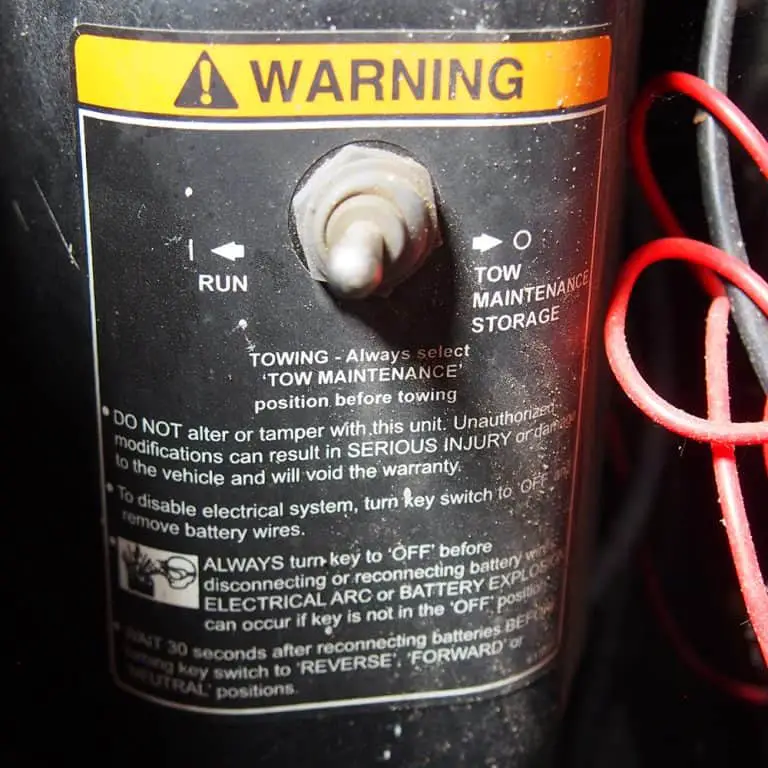
Golf Cart Upgrades: Every Modification Guide in One Place
This page organizes every golf cart upgrades guide on GolfCartTips.com by category so you can find what you are looking for without hunting through the archive. The upgrades are grouped into four categories: performance upgrades that change how the cart moves, power and energy upgrades that change how it is powered, cosmetic and customization upgrades that change how it looks, and utility upgrades that change what it can do. Each section includes honest guidance on which upgrades are worth doing and what order they should be done in if you are building toward a larger goal.
Last verified: All linked articles confirmed live | May 2026 | Covers EZGO, Club Car, and Yamaha platforms unless noted otherwise in individual guides
Key Takeaways
- Performance upgrades have a logical sequence. A lift kit before larger tires, because the lift creates the clearance the tires need. A lithium battery conversion before a controller upgrade, because the controller’s higher current demand requires a battery that can sustain it without voltage sag. A controller upgrade before a governor adjustment, because removing the governor on a stock controller produces disappointing results. Doing upgrades out of sequence wastes money and sometimes creates safety problems.
- Not every upgrade makes sense for every cart or usage pattern. A Predator 420cc engine swap is an excellent upgrade for a vintage cart that needs a reliable gas engine. It is irrelevant to an electric cart owner. A lift kit is transformative for an off-road or neighborhood cart. It adds unnecessary complexity to a fleet cart that never leaves a flat course. Read the individual guide for each upgrade before deciding whether it fits your situation.
- Street-legal upgrades must be done before the cart goes on public roads, not after. The legal and safety requirements for street operation, lights, signals, mirrors, seatbelts, registration, and insurance, are non-negotiable once the cart is on a public road. Adding them after the fact does not retroactively cover any incidents that occurred without them. If street legal operation is the goal, do that upgrade first and build everything else around it.
Golf Cart Upgrades: Where to Start
Before choosing a specific upgrade, be clear about what problem you are solving or what capability you are adding. The most common mistake in golf cart upgrades is buying parts for an outcome without thinking through the full path to that outcome. An owner who wants to go faster buys a performance controller, then discovers the stock motor cannot handle the increased current, then discovers the lead-acid battery cannot sustain the controller’s peak demand, then discovers the governor is still limiting top speed regardless. A $400 controller produced no improvement because the supporting upgrades were not in place.
The four upgrade categories below are organized with the most foundational upgrades first within each category. If you are planning multiple upgrades, read through the relevant sections and plan the sequence before buying anything. The guides linked in each section cover the specific steps, tools, costs, and platform compatibility for each modification.
Golf Cart Upgrades: Performance
Performance upgrades change how the cart moves. This category covers lift kits, controller upgrades, engine upgrades, and speed modifications. The correct sequence for a full performance build is: battery upgrade first, then controller, then governor adjustment, with the lift kit done whenever ground clearance or tire size is the goal rather than top speed.
How to Lift a Golf Cart
A lift kit raises the cart’s ride height by 3 to 6 inches depending on the kit type, creating clearance for larger tires and improving off-road capability. There are three kit types: spindle lift kits that raise the front suspension geometry, A-arm or drop spindle kits that extend the suspension travel, and long-travel kits for serious off-road use.
Spindle kits are the most common and most affordable. The guide covers kit selection by cart model, tool requirements, and the alignment check required after installation. If larger tires are part of the plan, the lift should be done first.
Golf Cart Speed Controller Upgrade
The speed controller determines how much current flows to the motor and therefore how much torque and speed the motor can produce. Upgrading from a stock controller to a higher-amperage programmable unit like an Alltrax or Curtis allows the motor to draw more current under load, improving hill performance and acceleration more noticeably than top speed.
The guide covers the five protection functions a modern controller provides, the difference between series DC and AC controller systems, how to choose the correct amperage for your motor, and which controllers fit the most common EZGO and Club Car platforms. For programmable controller specifications, Alltrax AXE series controllers are among the most commonly used aftermarket options for EZGO and Club Car series-wound DC motor carts. Do the battery upgrade before the controller upgrade if running lead-acid, because the controller’s higher current demands will expose a weak pack immediately.
Upgrade Your Golf Cart: Predator 420cc Engine
The Predator 420cc is a Harbor Freight horizontal shaft engine that has become the most popular engine swap option for vintage gas golf carts with worn-out original engines. It produces 13 HP at 3,600 RPM, more than any stock golf cart engine from the same era, and costs a fraction of a rebuilt OEM engine.
The installation requires a compatible motor mount bracket specific to your cart model and year. The guide covers the full installation process including carburetor jetting, throttle linkage setup, and the wiring connections for electric start if equipped. This is the right upgrade for any gas cart where the original engine is beyond economic repair. The Predator 420cc engine product page at Harbor Freight lists current specifications and pricing.
Golf Cart Engines: Types, Maintenance, and Upgrades
A comprehensive reference guide covering both gas and electric golf cart drivetrains. Explains the differences between series-wound DC motors, AC induction motors, and gas engine configurations across major platforms. Useful for understanding what type of motor or engine your specific cart uses before starting any performance upgrade work, since the upgrade path and parts requirements differ significantly between motor types. If you are not sure what is in your cart, read this guide first.
Golf Cart Upgrades: Power and Energy
Power and energy upgrades change how the cart is powered. This category covers lithium battery conversions, solar power systems, and battery monitoring equipment. These upgrades affect range, performance consistency, and long-term operating cost more than any other category.
Golf Cart Go Faster With Lithium Batteries: 3 Proven Real Gains
Switching from lead-acid to lithium is the single upgrade that improves the most aspects of electric cart operation simultaneously. The guide covers the three real gains: the flat discharge curve that maintains consistent performance from the first hole to the last, the 280 to 330-pound weight reduction that improves acceleration, and the extended range per charge.
It also covers what lithium does not change without additional modifications, the governor limit and stock controller cap remain in place regardless of battery chemistry. Includes a charger compatibility warning, the most commonly missed requirement in a lithium conversion, and a note on OBC compatibility for EZGO RXV and Club Car Precedent models.
Solar Golf Carts: A Comprehensive Guide for Beginners
Solar charging supplements the main battery pack by collecting energy from roof-mounted panels and feeding it into the charging circuit during operation and storage. A solar conversion kit typically produces 100 to 200 watts, which is not enough to replace a standard charger but is enough to meaningfully reduce daily charge depth and extend pack life.
The guide covers kit selection, component list, installation process, and realistic output expectations under different conditions. Useful for owners who want to reduce charging costs and extend pack life, particularly in sunny climates where the cart is stored outdoors.
How to Install a Golf Cart Battery Meter
A battery meter provides real-time state of charge information so you know how much energy remains in the pack before a round rather than discovering the pack is low on hole 14. The guide covers meter selection, correct mounting location, and wiring connections to the battery bank. The installation is straightforward with basic tools and takes under an hour on most carts. A battery meter is a low-cost, high-value upgrade for any electric cart owner who has ever been caught short on charge during a round or a neighborhood run.
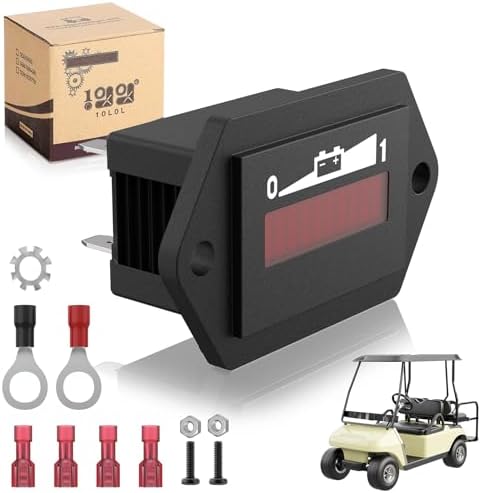
- BATTERY LEVEL METER: 10L0L Golf Cart Battery Meter is suitable for all 48V batteries including lithium battery, lead-aci…
- LED BATTERY INDICATOR METER: Designed for battery powered device to state the remain battery capacity; 10 segment LED Ba…
- HIGH-QUALITY: Our golf cart battery meter state of charge meter reader come with PVC waterproof screen protector with br…
Golf Cart Upgrades: Cosmetic and Customization
Cosmetic and customization upgrades change how the cart looks and expresses personal style. This category covers wraps, custom accessories, and full customization approaches. These are the most personal upgrades and the ones where individual preference matters more than any technical recommendation.
Golf Cart Customization: Accessories and Upgrades
A comprehensive guide covering the full range of customization options from aesthetic enhancements to functional upgrades. Covers seat customization, lighting upgrades, tire and wheel combinations, and battery choices. Also covers legal considerations for customized carts on public roads and the maintenance implications of various modifications. The right starting point for anyone planning a multi-stage customization project, because it covers the interaction between modifications and helps prioritize the sequence.
Golf Cart Wraps: An Easy Way to Customize Your Cart
A vinyl wrap is the most affordable way to dramatically change the appearance of a golf cart without permanent modification. Wraps are available in pre-cut cart-specific designs or in roll form for custom cuts. The guide covers surface preparation, wrap selection for different finishes and textures, application technique to avoid bubbles and lifting at edges, and how to handle complex curves around wheel arches and body panels. A properly applied wrap also protects the original paint from UV degradation, making it a practical choice as well as an aesthetic one.
Custom Golf Cart Accessories: 7 Proven Must-Have Upgrades
Covers the seven accessories that genuinely improve cart usability and enjoyment rather than just adding visual complexity. Includes rear seat kits, custom steering wheels, upgraded lighting, enclosures and windshields, custom wheels and tires, sound systems, and dash upgrades. Each accessory is covered with specific product guidance, installation difficulty rating, and an honest assessment of whether the accessory is worth the cost for different usage patterns. A useful reference for owners who want to improve the cart without a full customization project.
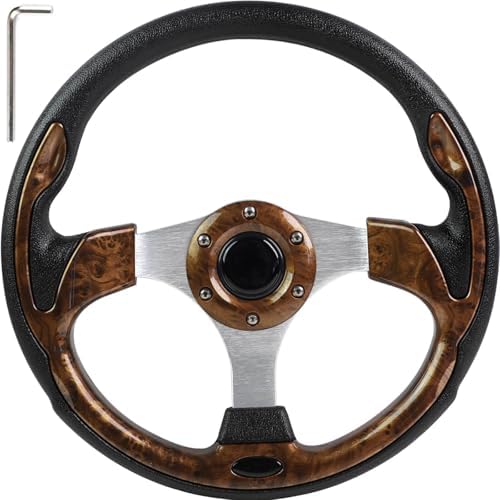
- Cool Racing Style: Deluxe golf cart steering wheel with cool racing style with a black brushed surface aluminum spokes. …
- Universal Design: 12.5 inch diameter club car steering wheel fits EZGO, Club Car and Yamaha golf carts with steering col…
- Super Grip Feeling: EZGO steering wheel with premium PU material with super grip feeling. (golf cart steering wheel adap…
Golf Cart Upgrades: Utility and Street Legal
Utility upgrades change what the cart can do. This category covers street-legal conversion, speedometer installation, snow plowing capability, and instrumentation. These are purpose-driven upgrades that expand the cart’s functional envelope beyond its factory use case.
How to Make a Golf Cart Street Legal
Converting a golf cart for legal street operation requires adding specific safety equipment and completing the registration, licensing, and insurance steps your state requires. The equipment list typically includes headlights, tail lights, brake lights, turn signals, mirrors, seatbelts, and a windshield with wiper.
Most states also require registration and liability insurance. The guide covers equipment requirements, the registration process, and the legal framework for operating on roads with posted speed limits of 35 mph or less. If street legal use is one of your goals, read this guide first , it determines the equipment baseline everything else is built around. For a full safety overview, see our golf cart safety tips guide.
How to Install a Golf Cart Speedometer
A speedometer is required equipment for street-legal operation in most states and a genuinely useful instrument for any cart used in areas with posted speed limits. The guide covers three installation approaches: smartphone GPS apps as a zero-cost option, GPS speedometers that display speed without physical wheel contact, and traditional cable-driven or magnetic speedometers that integrate with the cart’s drivetrain. GPS speedometers are the most practical choice for most cart owners, no moving parts, accurate to within 1 mph, and installable in under an hour with basic tools.
Can a Golf Cart Plow Snow?
A snow plow kit converts a golf cart into a light-duty snow clearing vehicle for driveways, walkways, and small parking areas. Plow kits designed for golf carts typically include a blade, mounting frame, and a winch to raise and lower the blade.
Most electric golf carts have enough torque to push light to moderate snow on flat surfaces, though they are not designed for heavy loads or compacted ice. The guide covers kit selection by cart model, installation, and realistic performance expectations. Best suited for owners in areas with moderate seasonal snowfall who want to extend the cart’s year-round usefulness.

- Tip: The package includes a product manual detailing how to switch between speed units (kilometers or miles) and altitud…
- Pinpoint GPS Accuracy: Golf Cart GPS Speedometer utilizes both GPS and BDS satellites for fast, precise positioning. Dis…
- Smart Safety Alarms: Features overspeed and fatigue driving alerts. Set a custom speed limit and get a reminder to take …
Golf Cart Upgrades: Recommended Sequence by Goal
If you have a specific outcome in mind, here is the recommended upgrade sequence for the most common goals.
| Goal | Step 1 | Step 2 | Step 3 |
|---|---|---|---|
| More speed and performance | Lithium battery conversion | Controller upgrade | Governor adjustment |
| Off-road and trail use | Lift kit (3-4 inch spindle) | Larger tires (18-22 inch) | Controller upgrade for hill torque |
| Street legal operation | Street legal equipment kit | Registration and insurance | GPS speedometer |
| Extended range | Lithium battery conversion | Solar charging supplement | Battery meter for monitoring |
| Custom appearance | Vinyl wrap or paint | Custom wheels and tires | Custom accessories (seats, dash, lights) |
| Year-round utility | Street legal conversion | Enclosure and windshield | Snow plow kit |
| Vintage gas cart restoration | Predator 420cc engine swap | New battery (12V) | Cosmetic upgrades |
For a complete guide to keeping all of these upgrades performing correctly season to season, see our golf cart maintenance checklist. Regular maintenance is what makes the difference between upgrades that perform well for years and upgrades that cause new problems within a season.

Frequently Asked Questions About Golf Cart Upgrades
What is the best golf cart upgrade for more speed?
The upgrade sequence for more speed is lithium batteries first, controller upgrade second, governor adjustment third. No single upgrade in isolation produces dramatic speed improvement because the stock configuration has multiple limiting factors working together. A controller upgrade on a stock lead-acid pack produces disappointing results because the pack cannot sustain the higher current demand. A governor adjustment on a stock controller produces limited improvement because the controller is also limiting output. The full sequence addresses all three limits in the correct order.
How much does a golf cart lift kit cost?
Spindle lift kits for standard EZGO, Club Car, and Yamaha models cost $100 to $300 depending on lift height and kit quality. A-arm and drop axle kits run $300 to $600. Long-travel performance kits for serious off-road builds cost $600 to $1,200 or more. Installation labor at a shop adds $100 to $300 depending on kit complexity. DIY installation is achievable with basic tools on spindle kits. A-arm and long-travel kits benefit from shop installation to ensure correct suspension geometry and alignment after the lift.
Is a lithium battery upgrade worth it for a golf cart?
Yes, in most cases when the cart is in good condition and will be in service for the full expected battery lifespan. The performance improvements are real and the long-term cost of ownership is typically lower than replacing lead-acid packs twice over the same period. The key requirement is a compatible charger, do not use a lead-acid charger on a lithium pack. See our dedicated guide on going faster with lithium for a full breakdown of what the upgrade actually delivers and what it does not.
Can I make any golf cart street legal?
Most golf carts can be made street legal by adding the required equipment and completing the registration process for your state. The process is most straightforward on carts that already have a 12V accessory circuit that can power lights and signals. Some very old or very basic carts require electrical system upgrades as part of the street-legal conversion. The specific requirements vary by state. Most states restrict golf carts to roads with posted speed limits of 35 mph or less. See the full street legal guide for state-by-state guidance and the complete equipment list.
About the Author
Chuck Wilson spent decades as a golf cart and small vehicle mechanic before retiring. His shop work covered Club Car, EZGO, and Yamaha platforms across gas and electric drivetrains. He runs GolfCartTips.com in retirement, writing about repairs and maintenance based on jobs he has actually done, not manufacturer talking points. If a procedure is on this site, it has been performed on a real cart.
All article links verified live May 2026. Upgrade sequence recommendations based on platform service experience across EZGO TXT 48V, Club Car DS 48V, Club Car Precedent 48V, and Yamaha Drive 48V.